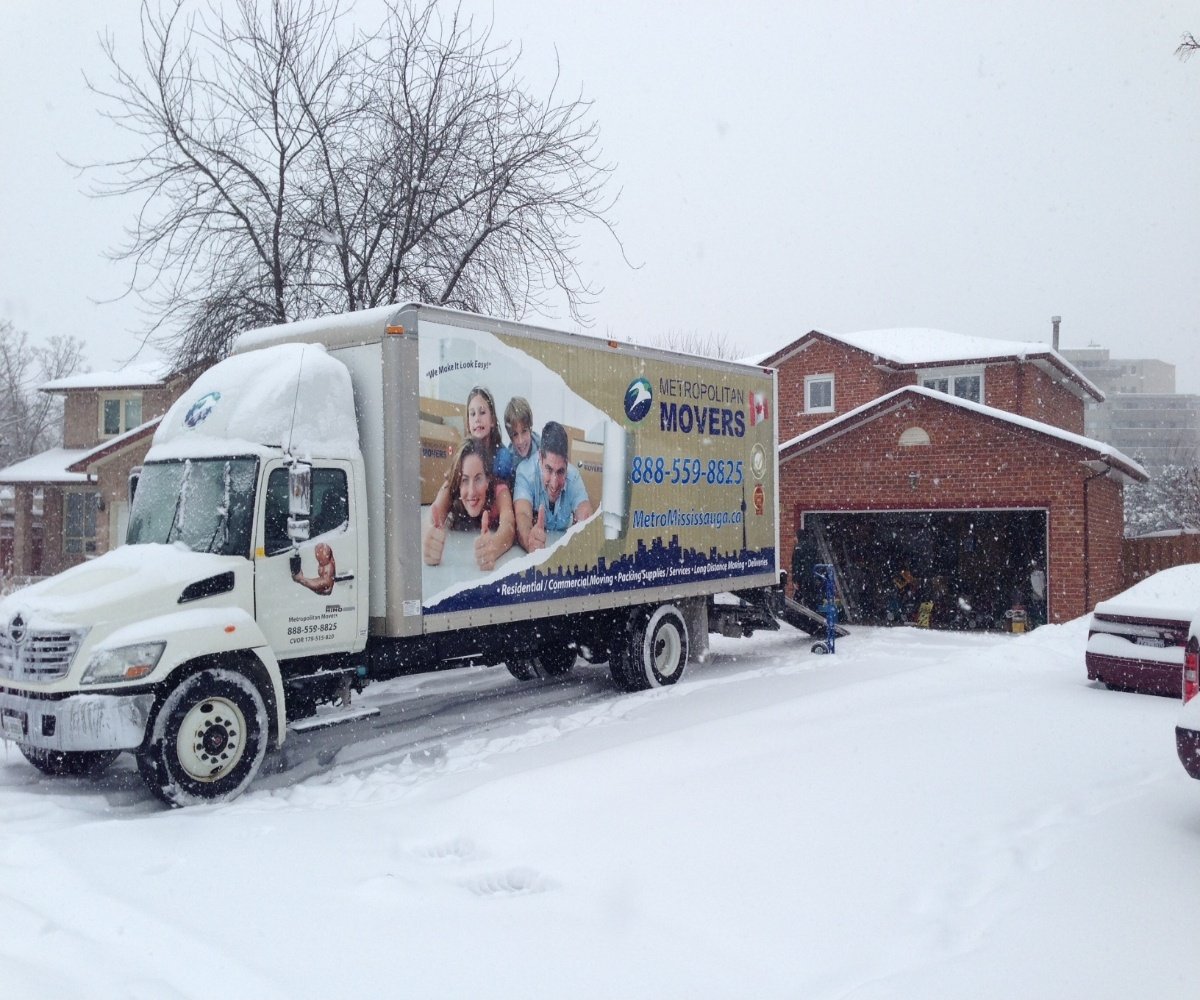
You’ve found your new home in Chapel Hill or signed the papers for a condo in Avalon. The hard part is over, right? Now comes the “simple” task of moving your life across town. This is where the hidden complexity of a local move reveals itself. It’s not the distance that creates stress—it’s the thousands of small, heavy decisions: booking the truck, recruiting friends, securing parking on a narrow street in Convent Glen, and facing the real possibility that your heirloom dining table won’t survive the trip. The common assumption that a short distance equals an easy move is why so many Orleans residents end up paying for unexpected damage, last-minute rentals, and pure physical exhaustion.
Professional local moving services exist to solve this exact problem. They transform what feels like a chaotic personal project into a managed, efficient operation. This guide, written from 15+ years of overseeing moves across Ottawa-East, will cut through the confusion. We will define what truly qualifies as a local move in our region, break down the different service models available to you, reveal the specific logistics of moving in Orleans, and provide a transparent look at costs and planning. Our goal is for you to finish reading with the clarity and confidence to make the right choice for your moving house service, turning a major life event into a seamless transition.
Defining Local Moving Services in the Ottawa-Orleans Region
The term “local move” has a specific, technical meaning in the moving industry that directly impacts how you are billed and what services you can expect. Understanding this definition is the first step to avoiding billing surprises and setting accurate expectations.
The Industry Standard Definition of a “Local Move”
In Ontario, a move is classified as “local” based on two primary factors: distance and provincial jurisdiction. The most common benchmark is the 50-mile (80-kilometer) radius rule. If your origin and destination fall within a 50-mile radius of each other (or the moving company’s primary depot), the move is typically billed under a local rate structure, which is almost always an hourly model. More importantly, any move that stays within Ontario (an intra-provincial move) is governed by provincial regulations, whereas crossing into Quebec becomes an inter-provincial move, falling under federal tariffs and a completely different pricing structure (by weight and distance). For an Orleans resident moving to Barrhaven or Kanata, you are within both the distance and provincial criteria for a local move.
Why Proximity Impacts Your Moving House Service
Proximity isn’t just about geography; it dictates the entire operational and economic model of the move. A long-distance move focuses on maximizing trailer space and securing a load for days of highway travel. A local move is a sprint, not a marathon. The strategy is built on efficiency over multiple short trips, navigating urban traffic, and rapid loading/unloading cycles. This is why local moves are billed by the hour—you are paying for the labor intensity and the crew’s time, not for fuel over hundreds of kilometers. The shorter the distance between homes, the more the total cost is concentrated in the labor of packing and unpacking the truck itself.
Core Components and Service Models of Professional Residential Moving
Professional moving is not a monolithic service. It’s a suite of coordinated actions executed by trained personnel. Understanding the core components allows you to recognize quality, and knowing the different service models lets you pay only for what you need.
Initial Consultation and The Critical On-Site Estimate
This is the non-negotiable first step with any reputable company. A foreman or estimator doesn’t just give a price over the phone; they conduct a visual survey of your home. They are assessing total volume (in cubic feet), identifying specialty items (pianos, large safes), noting access challenges (spiral staircases, elevator size), and understanding the parking situation. This walkthrough is what allows them to determine the correct crew size, truck type, and estimated time. It protects you from wildly inaccurate “low-ball” quotes that inflate on moving day with hidden fees. Always be wary of a company that offers a firm quote without seeing your belongings.
Service Models: From Labor-Only to Full-Service Truck and Crew
Not every move requires the same package. Professional companies offer tiers to match different budgets and needs:
Labor-Only Service: You rent and drive the truck. The moving company provides a skilled crew for a set number of hours to load and/or unload it. This is ideal for the extremely budget-conscious who are comfortable with driving a large vehicle and managing the transit leg.
Loading/Unloading Service: A popular hybrid. You rent the truck, but professional movers load it using their equipment and techniques (like the wall-building method), ensuring a secure load. They may also meet you to unload. You control transit costs but leverage their loading expertise for safety.
Full-Service Local Move: The standard, comprehensive package. The company provides the truck, a dedicated crew, all equipment, and the labor to load, transport, and unload all your belongings. This includes disassembly/reassembly of standard furniture. This is the most common choice for families and those seeking a hands-off experience.
Systematic Loading and Secure Transit: The Wall-Building Method
This is the expert technique that prevents the vast majority of in-transit damage. Professionals don’t just put items in a truck; they construct a solid, interlocked “wall” of goods from floor to ceiling. Heavy, sturdy items (appliances, desk units) form the base and back wall. Boxes are stacked in a brick-like pattern to fill voids and create structural integrity. Soft goods (mattresses, padded bags) are used as top fill and cushioning. This creates a single, unified load that cannot shift during stops and turns. When a load shifts, items collide and break. A properly built wall makes this physically impossible, which is why this method is the hallmark of a professional crew.
Professional Unloading and Strategic Furniture Placement
The service concludes with deliberate placement, not just dumping boxes. A professional crew will unload efficiently and place items in the designated rooms. More importantly, they will place heavy furniture directly onto felt pads, reassemble beds and tables, and position area rugs. They work from your floor plan or instructions. This final step saves you the immense physical effort of rearranging heavy items after they’ve left, transforming a house full of boxes into a functional living space.
Why Orleans Residents Require Specialized Local Moving Services
Orleans isn’t a generic suburb. Its unique mix of established neighborhoods, dense new developments, and semi-rural properties creates specific logistical puzzles that a generic mover from outside the area will fail to solve efficiently.
Navigating Orleans-Specific Logistics and Geography
The challenges vary dramatically by neighborhood. A move in a mature area like Queenswood Heights often involves older, tall trees lining the street that can interfere with a large truck’s height. A move to a new subdivision like Avalon might have narrower streets and stricter homeowner association rules about truck parking and hours of operation. A move to a semi-rural property near Navan involves managing a long, unpaved driveway where a standard moving truck could get stuck. A specialized local mover anticipates these issues, plans for them in the estimate, and brings the right equipment (like smaller trucks or all-terrain dollies).
Local Expertise: Understanding Ottawa East Traffic and Timing
Timing is a critical cost factor in an hourly move. A crew unfamiliar with Orleans might plan a route that puts them on the 174 during the afternoon rush hour or through the Innes Road/Trim Road intersection at peak times, burning paid hours stuck in traffic. A local expert knows that moving in Charlemagne requires planning around school bus schedules, or that accessing a high-rise in Place d’Orleans during Saturday shopping traffic is a recipe for delay. This hyper-local knowledge is baked into their scheduling, protecting your budget and ensuring a smoother moving day timeline.
Liability and Protection: Insurance for Short-Distance Relocations
Many assume that because a move is short, insurance is less important. This is dangerously incorrect. The majority of moving damage occurs from improper handling and loading, not from highway accidents. All reputable movers in Ontario must carry WSIB coverage for their crew (protecting you from liability if a worker is injured) and offer two main types of cargo insurance: Released Value Protection (basic, minimal coverage included in the rate, often as low as $0.60 per pound per item) and Full Value Protection (purchased additional coverage that provides repair or replacement value). For the valuable contents of an Orleans home, understanding and choosing the right coverage is a fundamental part of the service.
Understanding the Pricing Structure of a Local Moving Service
Transparency is the foundation of trust in moving. The hourly rate model is straightforward, but the variables that influence the final hour count are where your understanding saves money.
The Hourly Rate System: How Local Billing Works
For a standard local move, you pay for the time the crew is dedicated to your job. The clock typically starts when the truck and crew arrive at your origin home and stops when the last item is placed in your new home, and the truck is ready to depart. This portal-to-portal time includes loading, travel between homes, and unloading. The rate is usually a combined “truck and crew” hourly rate (e.g., $150-$220 per hour). Always confirm if travel time from the company’s depot to your home is included; in a true local move, the clock should start at your door.
Factors Influencing Your Local Move Quote
The estimate is a forecast of total hours. Key variables include:
Total Volume & Complexity: Not just rooms, but the actual cubic footage of your belongings. A home office with 20 boxes of books adds significant weight and time versus a spare bedroom with a bed and dresser.
Crew Size & Truck Capacity: Under-crewing a move to offer a lower hourly rate is a false economy—it drastically increases the total hours. A proper crew size (e.g., 3-4 people for a 3-bedroom home) works efficiently and safely.
Physical Access & Travel Conditions: This is huge. A flight of stairs at either location, a long carry from the truck to the door (over 50 feet), or waiting for a shared elevator in a condo,o all add substantial minutes that compound over dozens of trips.
Common Local Add-on Costs: Stairs, Long-Carries, and Heavy Items
Reputable movers will identify these during the estimate; disreputable ones will spring them as hidden fees. Standard add-ons include:
Stair Fees: Carrying items up or down multiple flights beyond a standard two-story home’s interior stairs incurs an extra charge due to extreme physical exertion.
Long Carry Fees: If the truck cannot park within a standard distance (often 50-75 feet) of your entrance, a per-foot fee may apply.
Heavy/Bulky Item Fees: Items like a grand piano, gun safe, pool table, or commercial gym equipment require extra manpower, specialized equipment, and planning. These are always separate line items, quoted upfront.
Strategic Planning for Your Moving House Service
A successful move is a project managed over weeks, not a chaotic event. An 8-week timeline provides the structure to control costs and stress.
The 8-Week Local Relocation Countdown
8 Weeks Out: Research and book your mover. Begin decluttering. 6 Weeks Out: Start collecting boxes or order a packing kit. Begin packing non-essentials (off-season clothes, decor, books). 4 Weeks Out: Notify utilities (hydro, gas, internet), update your address with banks and government. Schedule disconnection/connection for a day after/before your move for a buffer. 2 Weeks Out: Confirm all details with your mover. Pack 80% of your home. Arrange time off work. 1 Week Out: Pack your “First-Night” kit. Defrost fridge/freezer. Create a simple floor plan for the new home. Move Day: Be present, hydrated, and ready to direct the crew without micromanaging.
Decluttering for a Local Move: Your Most Powerful Cost-Control Tool
Since you pay by the hour, every item you don’t move saves you money. Before you pack a single box, conduct a ruthless purge. Hold a garage sale, donate to local Orleans charities like the St. Vincent de Paul, or make a trip to the Trail Road Waste Facility for responsible disposal. The less you have to pack, load, and unload, the lower your final bill will be. This step has a direct, measurable return on investment.
Preparing the “First-Night” Essentials Kit
Pack a separate, clearly labeled box or suitcase that travels with you in your car. Include: toilet paper, phone chargers, basic tools (screwdriver, box cutter, scissors), medications, pet food/bowls, a change of clothes for everyone, bedding, towels, a shower curtain, and basic kitchen items (coffee maker, mugs, snacks, paper plates). This kit ensures you can function and sleep comfortably on your first night without having to rummage through dozens of boxes.
Local Logistics: Parking, Permits, and Community Considerations
Ignoring local bylaws and neighborly courtesy can halt your move before it starts. Proactive planning here is non-negotiable.
Navigating City of Ottawa By-laws for Moving Trucks
The City of Ottawa requires a temporary parking permit if the moving truck must park on a city street where parking is otherwise prohibited (e.g., in a “No Parking” zone or for longer than the posted limit). This is common on narrow residential streets in neighborhoods like Cardinal Creek or Notting Gate. You are responsible for obtaining this permit online from the City in advance. Failure to do so can result in the truck being ticketed or towed, causing massive delays and costs.
Securing Loading Zone Access and Managing Shared Spaces
If you live in a condo or apartment building, you must book the freight elevator and loading dock with property management, often weeks in advance. There will be specific rules about moving hours, elevator padding, and insurance certificates from your mover. For townhomes with shared driveways or laneways, have a respectful conversation with your neighbors well ahead of time to ensure clear access. Good communication prevents last-minute conflicts that can derail your entire schedule.
Choosing the Best Local Moving Services Near You: A Vetting Guide
Your choice of mover is the single biggest factor in your moving experience. This is how you separate true professionals from risky operators.
Verifying Provincial Licenses and WSIB Compliance
Any legitimate moving company operating in Ontario must have a valid business license. If they operate their own trucks, they should also have a Provincial Motor Vehicle Operator (PMVO) number. Most critically, they must carry valid WSIB coverage for their employees. Ask for proof. If a worker is injured on your property and the company isn’t covered, you could be held liable. This is a non-negotiable check.
Evaluating Local Reputation: Beyond the Star Rating
Read the actual text of recent Google and Facebook reviews. Look for patterns. Do multiple reviews mention careful handling, on-time performance, and accurate quotes? Do complaints consistently cite hidden fees, damaged items, or unprofessional crews? A company with deep roots, like Metropolitan Movers, will have a long trail of authentic feedback from Orleans residents specifically, which is more valuable than generic ratings.
The Importance of Accurate In-Home or Virtual Estimates
Never accept a binding quote given over the phone or email without a visual survey. A reputable company will insist on an in-home walkthrough or a detailed, guided video tour. This is for their protection and yours. It’s the only way to account for the volume, complexity, and access issues that define the true cost of the job.
Red Flags: Identifying Unprofessional “Man-with-a-Van” Operations
Be wary of: quotes drastically lower than all others, no company branding on trucks or uniforms, requests for large cash deposits, a lack of a professional website or local business address, and an inability or refusal to explain their insurance and liability process clearly. These are hallmarks of operations that lack the training, proper equipment, and insurance to protect you or your belongings.
Common Pitfalls in Local Relocations and How to Avoid Them
Forewarned is forearmed. Knowing these common mistakes allows you to plan around them.
Underestimating the Complexity of a “Short” Move
The belief that “it’s just across town” leads to poor planning and under-resourcing. All the same work—packing, loading, unloading—still exists. The only thing reduced is drive time. Plan your local move with the same rigor and timeline you would for a longer one.
Inadequate Packing: The #1 Cause of Local Move Damage
Using poor-quality boxes, under-filling boxes (which collapse), or over-filling boxes (which burst) guarantees damage. Not using proper cushioning for dishes and glassware is a recipe for breakage. If you choose to pack yourself, invest in professional-grade materials from a moving company or consider a partial packing service for your fragile items. Remember, the mover’s basic liability offers minimal coverage for customer-packed goods.
Failing to Account for Ottawa’s Seasonal Weather Challenges
Moving in a January deep freeze means managing ice on steps and driveways. A July heatwave requires planning for crew hydration and breaks to prevent heat stress. Spring thaw can turn a rural driveway into mud. Discuss seasonal preparations with your mover. Professionals come prepared with salt, plywood for traction, and a plan to protect your floors from snow and mud.
Lack of Communication with Neighbors or Property Management
This simple courtesy is often overlooked. Failing to notify condo management or secure a parking permit can stop your move. Not informing immediate neighbors about the moving truck potentially blocking a shared driveway for a few hours can create conflict. A quick conversation or note a week in advance fosters goodwill and prevents disruptive surprises.
Frequently Asked Questions (FAQ)
How many hours does a typical 3-bedroom local move take?
For a standard 3-bedroom home in Orleans with average contents and a travel time under 30 minutes, plan for 6-8 total hours. This typically breaks down to 3-4 hours to load, 1 hour for travel/offload prep, and 2-3 hours to unload and place items. This can vary based on volume, stairs, and how prepared (packed and ready) your home is.
Is it cheaper to move mid-week or mid-month in Orleans?
Almost always, yes. Moving companies have the highest demand on weekends and at the end/beginning of the month (when most leases change). Booking a move for a Tuesday-Thursday in the middle of the month will generally secure you a better rate and more flexibility with scheduling. The crew will also be less rushed, leading to a more careful move.
Do local moving services include basic liability insurance?
Yes, by law, all movers must include Released Value Protection (basic liability) at no extra charge. However, this provides minimal coverage (e.g., $0.60 per pound per item). For adequate protection, you must purchase additional Full Value Protection insurance or verify if your own homeowner’s or renter’s insurance policy covers goods in transit.
Can I leave items in dresser drawers for a local move?
For lightweight, soft clothing items only. You must remove all heavy, fragile, or valuable items (jewelry, documents, perfume). For larger dressers, leaving too much weight in the drawers can strain the drawer glides and make the piece dangerously heavy and unbalanced for the movers. When in doubt, empty it.
What is the typical lead time for booking a moving house service?
For a move in Orleans, you should book a minimum of 4-6 weeks in advance. During the peak season (May-September), aim for 8-12 weeks’ notice to secure your preferred date. This also allows time for a proper in-home estimate and for you to complete your decluttering and packing preparation.
Ready to Execute a Flawless Orleans Move?
The difference between a stressful moving day and a smooth transition lies in the details: local expertise, transparent pricing, and professional systems. At Metropolitan Movers, we bring over a decade of Ottawa-East moving experience to every job, from Centrum condos to Chapel Hill family homes. We provide clear, binding estimates, fully insured crews, and the local knowledge to navigate Orleans’ unique streets and seasons. Don’t leave your most valuable possessions to chance. Contact us today for a detailed, no-obligation in-home estimate and experience the difference a true local moving partner can make.